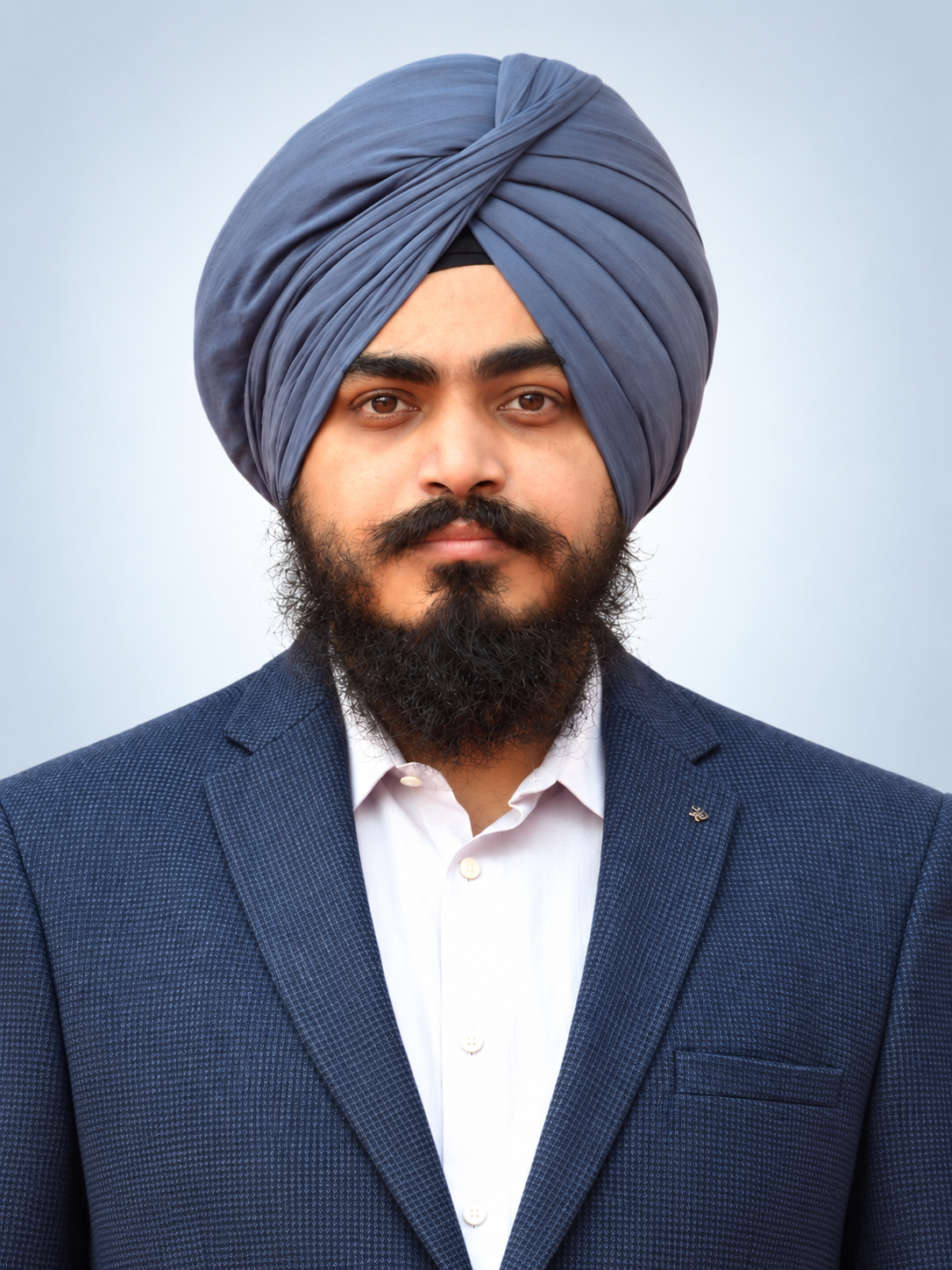
Dr. Pritpal Singh Saini — Orthopaedic Surgeon in Jamshedpur
Dr. Pritpal Singh Saini is an orthopaedic surgeon in Jamshedpur with MBBS, DNB Orthopaedics and a Fellowship in Arthroscopy & Arthroplasty. His practice includes assessment and treatment of fractures, arthritis, knee and shoulder disorders, sports injuries, ligament and meniscus problems, and conditions requiring joint replacement or arthroscopy.
This page is designed for patients searching for the best orthopaedic surgeon in Jamshedpur and looking for a structured approach to diagnosis, non-surgical treatment, rehabilitation and, when appropriate, orthopaedic surgery.
Good orthopaedic care starts with an accurate diagnosis
Bone, joint, muscle, tendon and ligament problems can produce similar symptoms. History, physical examination and appropriate imaging help identify the actual problem and avoid unnecessary treatment or surgery.
Orthopaedic Conditions Commonly Evaluated
Knee & Hip Arthritis
Osteoarthritis and post-traumatic arthritis may cause pain, stiffness, reduced walking ability and difficulty with everyday activities. Treatment ranges from exercise and lifestyle measures to injections or joint replacement in selected patients.
Sports Injuries
ACL and other ligament injuries, meniscus tears, cartilage problems and shoulder instability may occur after twisting, jumping, contact or repetitive sports activity.
Fractures & Trauma
Fractures may require immobilisation, closed reduction, fixation or other surgical treatment depending on fracture pattern, displacement, soft-tissue condition and patient factors.
Shoulder Disorders
Rotator cuff tears, frozen shoulder, shoulder instability and selected traumatic shoulder conditions can be assessed clinically with targeted imaging when required.
Hand & Upper-Limb Problems
Common orthopaedic presentations include selected hand and forearm fractures, carpal tunnel syndrome and tendon-related disorders.
Age-Related Joint Problems
Older adults may have arthritis, reduced mobility, fragility-related injuries and multiple musculoskeletal problems requiring coordinated assessment and treatment.
How an Orthopaedic Surgeon Assesses a Patient
- Understand the symptoms: pain location, duration, injury mechanism, swelling, stiffness, instability, weakness and effect on daily activity are reviewed.
- Clinical examination: joint movement, tenderness, alignment, strength, stability, gait and relevant neurovascular findings are assessed.
- Choose appropriate investigations: X-rays are commonly useful for fractures, alignment and arthritis; ultrasound or MRI may be selected for specific soft-tissue questions.
- Confirm the diagnosis: imaging findings are interpreted together with the clinical picture rather than treating an abnormal scan in isolation.
- Discuss treatment choices: non-operative care, rehabilitation, injections or surgery are considered according to the diagnosis, severity, functional needs and patient preferences.
Orthopaedic Treatment Does Not Always Mean Surgery
Exercise & Physiotherapy
Condition-specific strengthening, mobility, balance, neuromuscular training and progressive rehabilitation are important for many musculoskeletal problems.
Activity Modification
Temporarily changing aggravating activities while maintaining appropriate movement can support recovery without unnecessary rest or immobilisation.
Medicines
Pain-relieving and anti-inflammatory medicines may be considered after reviewing age, medical history, other medicines and contraindications.
Injections in Selected Cases
Injections may be considered for selected diagnoses after discussing expected benefits, limitations and potential risks.
Treatment should be diagnosis-led
A good treatment plan balances symptom relief, restoration of function, long-term joint health and the patient's goals. Surgery should be recommended when the expected benefit outweighs its risks and appropriate non-surgical options are insufficient or unsuitable.
Orthopaedic Surgery When It Is Appropriate
Surgery is considered when the diagnosis and clinical situation indicate that an operation is likely to provide meaningful benefit. Depending on the condition, procedures may include:
Arthroscopy
Minimally invasive procedures may be used for selected knee and shoulder conditions, including ACL reconstruction, meniscus repair and rotator cuff repair.
Fracture Fixation
Selected displaced, unstable or otherwise unsuitable fractures may require fixation using appropriate implants or other operative techniques.
Knee Replacement
For advanced symptomatic knee arthritis that substantially affects quality of life despite appropriate treatment, partial or total knee replacement may be discussed.
Hip Replacement
Advanced hip arthritis and selected other destructive hip conditions may be treated with total hip replacement when symptoms and functional limitation justify surgery.
A scan alone does not decide whether surgery is needed
Operative decisions should consider symptoms, examination findings, imaging, functional limitation, previous treatment, general health and the patient's goals. An abnormal MRI or X-ray does not automatically mean that surgery is required.
Recovery & Rehabilitation
Recovery varies substantially between conditions. A fracture, ACL reconstruction, meniscus repair, shoulder surgery, knee replacement and hip replacement each have different rehabilitation milestones.
Early Recovery
Pain and swelling control, wound care where applicable, safe mobility and protection of the operated or injured area are priorities.
Progressive Rehabilitation
Range of motion, muscle strength, balance and functional activities are advanced according to the procedure and tissue-healing requirements.
Return to Activity
Return to work, driving, exercise and sport depends on the injury, surgery, rehabilitation progress and functional testing where appropriate.
Follow-up
Clinical review and, when indicated, repeat imaging help monitor healing, implant position, joint function or recovery after surgery.
Choosing an Orthopaedic Surgeon in Jamshedpur
When comparing orthopaedic doctors, patients may find it useful to look beyond a simple “best doctor” label and consider the doctor's training, relevant subspecialty experience, approach to diagnosis, treatment alternatives and follow-up care.
- Relevant qualifications: specialist orthopaedic training and appropriate fellowship or focused experience for the problem.
- Condition-specific expertise: knee, shoulder, arthroscopy, joint replacement or trauma expertise should match the patient's condition.
- Clear treatment discussion: understand what the diagnosis is, what alternatives exist and why a particular treatment is being recommended.
- Rehabilitation planning: surgery is only one part of recovery; structured postoperative rehabilitation is important for many procedures.
- Accessible follow-up: patients should know where consultations and postoperative reviews will take place.
Related Orthopaedic Information
Best Orthopaedic Surgeon in Jamshedpur — FAQs
What does an orthopaedic surgeon treat?
Orthopaedic surgeons diagnose and treat conditions affecting bones, joints, muscles, ligaments, tendons and related structures. This includes fractures, arthritis, sports injuries, ligament injuries and selected conditions requiring reconstructive or joint replacement surgery.
Do I need surgery for every orthopaedic problem?
No. Many orthopaedic conditions can improve with appropriate exercise, physiotherapy, activity modification, medicines or other non-operative treatment. Surgery is considered when there is a suitable indication.
When should I see an orthopaedic surgeon after an injury?
Assessment is appropriate for significant pain, deformity, inability to bear weight or use a limb, persistent swelling, instability, suspected fracture or symptoms that do not improve as expected.
Does every fracture need an operation?
No. Some fractures can be treated successfully without surgery. The decision depends on the fracture location and pattern, displacement, stability, soft tissues, patient factors and expected functional outcome.
Can the same orthopaedic surgeon treat knee and shoulder problems?
Yes, depending on the surgeon's training and clinical focus. Patients with sports injuries or joint problems may require expertise in arthroscopy, ligament reconstruction, joint preservation or replacement.
What should I bring to an orthopaedic consultation?
Bring previous X-rays, MRI or CT images and reports, relevant blood tests, medication information and details of previous treatment or surgery. This can make the consultation more efficient.
Where can I consult Dr. Pritpal Singh Saini in Jamshedpur?
Dr. Pritpal Singh Saini provides orthopaedic consultations at the practice locations listed in the sidebar. Appointment details are available through the Book OPD Appointment option.
Medical References
- American Academy of Orthopaedic Surgeons (AAOS). Clinical Practice Guidelines and appropriate use criteria for common orthopaedic conditions and procedures. AAOS Clinical Practice Guidelines.
- NICE. Osteoarthritis in over 16s: diagnosis and management (NG226). NICE NG226.
- NICE. Joint replacement (primary): hip, knee and shoulder (NG157). NICE NG157.
- AAOS. Management of Osteoarthritis of the Knee (Non-Arthroplasty), Clinical Practice Guideline. AAOS Osteoarthritis Guideline.